The Unique Properties of Brass in Sculpture
Brass, an alloy primarily composed of copper and zinc, offers a blend of durability, malleability, and visual appeal that makes it ideal for sculptural work. Its golden hue lends itself to warm, inviting designs, while its corrosion resistance ensures longevity even in varied environments.
Compared to other metals like bronze or steel, brass has a lower melting point, making it easier to cast and shape using traditional lost-wax techniques. This property allows artisans to achieve fine details that might otherwise require complex machining or welding processes.
The versatility of brass extends beyond its physical attributes. By altering the ratio of copper to zinc, artists can produce shades ranging from pale yellow to deep gold, enabling customization that aligns with diverse thematic and stylistic goals.
Careful attention must be paid to oxidation, however. While patina development can enhance a sculpture’s character over time, uncontrolled exposure to moisture or chemicals may compromise structural integrity or alter intended finishes.
Design Principles for Compact Environments
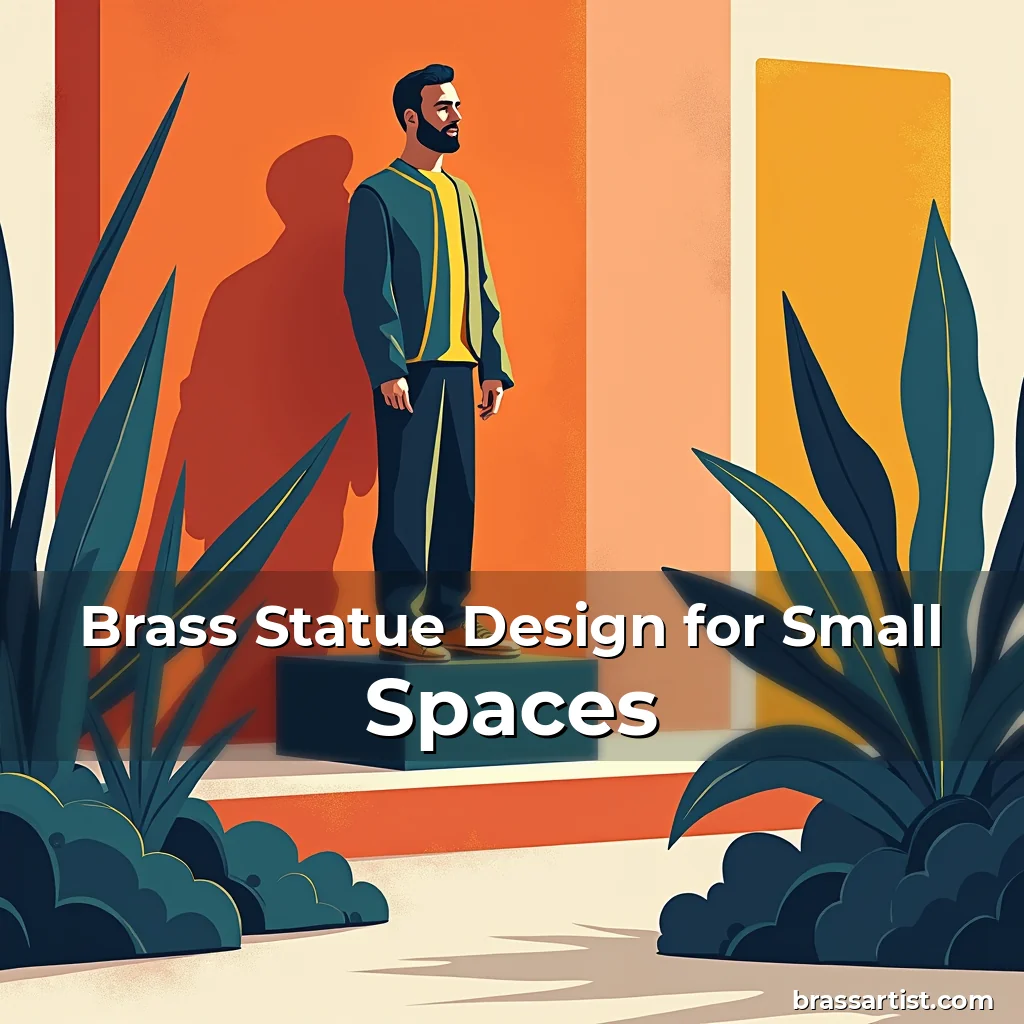
Crafting brass statues for small spaces demands a deliberate approach to proportion, placement, and visual impact. Smaller-scale pieces often benefit from streamlined forms that emphasize negative space, allowing them to appear larger than their actual dimensions.
Layered compositions can transform cramped areas into dynamic showcases. Vertical arrangements, for instance, draw the eye upward, maximizing perceived height while preserving floor clearance. Floating mounts or wall-mounted brackets further optimize spatial efficiency.
Color harmony plays a crucial role. Brass’s natural sheen interacts uniquely with ambient lighting; darker backgrounds accentuate reflective surfaces, whereas lighter walls create a balanced contrast that prevents the piece from feeling overpowering.
Considering environmental factors is equally vital. In high-traffic zones, robust mounting systems and protective coatings ensure safety and longevity. Additionally, sculptures placed near windows or under artificial lights may require treatments to mitigate glare or discoloration over time.
Balancing Aesthetics and Functionality
In minimalist or contemporary spaces, brass statues serve dual purposes—they act as decorative elements while subtly reinforcing architectural features or brand identities. For example, a geometric abstract form might complement clean lines in a corporate office, while floral motifs could soften industrial landscapes in residential settings.
Multifunctional designs offer added value. Some brass sculptures incorporate hidden compartments for storage, integrated lighting, or interactive elements like rotating parts. These innovations convert static art into active components of the environment.
Ergonomic considerations cannot be overlooked. If a statue doubles as furniture, such as a tabletop ornament with built-in shelving, weight distribution becomes critical. Similarly, wall-mounted pieces must account for load-bearing capacities and potential vibration from nearby activities.
Techniques for Crafting Miniature Brass Statues
Miniaturizing brass statues requires precision in modeling and casting. Artists typically begin with digital sketches or clay maquettes to test proportions before transitioning to metalworking. Advanced CAD software enables flawless scaling, ensuring consistency across production runs.
Sintering, a process involving powdered metal fused under heat, allows for complex geometries previously deemed impractical with conventional casting. This technique reduces waste and supports eco-friendly practices aligned with modern sustainability trends.
Tiny components demand specialized tools such as micro-engraving kits and laser cutters. These instruments enable fine detailing without damaging delicate structures—a necessity for intricate works like miniature figurines or ornate reliefs.
Post-processing steps, including polishing and electroplating, refine surface quality. Buffing wheels remove imperfections, while plating enhances wear resistance and adds color variations consistent with desired themes or eras.
Choosing Themes and Styles for Small-Scale Brass Art
Selecting an appropriate theme enriches the storytelling aspect of brass sculptures. Nature-inspired subjects—like trees, birds, or waves—are popular due to their organic flow, which complements tight quarters naturally without competing visually.
Futuristic or sci-fi themes thrive in compact displays through sleek, angular shapes and metallic finishes. Such designs resonate well with tech-forward spaces and generate conversation around innovative engineering and aesthetics.
Historical motifs provide cultural richness. Reimagining classical sculptures in smaller formats maintains reverence for tradition while adapting them to modern contexts. This approach bridges generational gaps among viewers who appreciate heritage-infused artistry.
Abstract expressions invite interpretation, offering flexibility in meaning based on observer perspectives. Asymmetrical layouts or unexpected juxtapositions spark curiosity, transforming ordinary corners into thought-provoking focal points.
Cultural Symbolism in Miniature Brass Creations
Certain symbols carry universal significance. The lotus flower symbolizes purity across many cultures, making it a powerful choice for meditation rooms or healthcare facilities. Integrating such imagery fosters emotional connections regardless of geographical origin.
Animal figures convey distinct messages depending on species selection. Lions represent strength, owls signify wisdom, and deer evoke gentleness—all potent associations that add layers of narrative depth when scaled down carefully.
Mythological beings bring mythos into tangible form. Tiny Zeus figures holding lightning bolts or tiny Ganesha statues blessing pathways introduce symbolic resonance within constrained boundaries effectively.
Innovative Approaches to Brass Sculpture Composition
Contrasting textures amplify tactile engagement and visual interest in miniature brass creations. Pairing polished mirrors against matte finishes creates striking dichotomies that captivate observers from afar and up close alike.
Layered constructions utilize transparency effects via etched panels behind solid segments. Light refracts through these openings, producing shimmering patterns reminiscent of stained glass, albeit with precious metal rather than colored glass.
Modular units allow reconfiguration of installations periodically without requiring entirely new artworks. Interchangeable parts—such as detachable heads or limbs—extend lifespan significantly compared to fixed models vulnerable to obsolescence.
Dual-purpose bases combine display functionality with utility, such as incorporating drawers beneath footrests or USB ports embedded discreetly inside plinths meant solely for showing off collectibles.
Tools and Materials Essential for Brass Sculptors
A well-equipped workshop includes essentials like brass sheets, rods, tubing, and various solder types suitable for joining disparate pieces securely yet invisibly. Selection depends heavily upon whether projects prioritize permanence or temporary exhibitions.
Precision tools encompass everything from handheld chisels and hammers designed specifically for soft metals to computer-controlled engravers capable of achieving micrometer-level accuracy essential for lifelike facial expressions.
Protective gear safeguards users during potentially hazardous operations: respirators prevent inhalation dangers from filings generated during grinding stages; gloves protect hands exposed to sharp edges encountered frequently after shaping raw stock materials.
Accessories aiding creativity include rulers calibrated precisely in millimeters alongside rulers marked similarly but converted metric/imperial equivalents for international collaborations occurring increasingly online nowadays.
Challenges in Creating Functional Brass Works Within Limited Space
Ensuring structural stability becomes paramount. Thin profiles risk collapse under own mass unless internal reinforcements—often crafted using hollow cores filled strategically—are implemented beforehand via careful calculations.
Heat management issues arise particularly indoors where direct sunlight might hit unprotected sides causing warping risks unless preventive measures taken upfront through strategic placement away from heat sources altogether.
Vibratory damage from HVAC systems positioned too closely threatens delicate filigree details requiring thorough dampening solutions including isolating foundations made out reinforced rubber compounds tested rigorously prior final installation.
Acoustic dampening considerations become non-negotiable whenever sound amplification involved through intentional resonant cavities designed into core framework which must be insulated adequately preventing vibrations from translating into audible disturbances affecting occupant comfort levels directly impacted negatively if improperly addressed.
Installation Strategies Maximizing Impact Without Overwhelm
Height placement increases presence dramatically; positioning tall but narrow sculptures towards ceiling heights draws attention upwards freeing lower areas sufficiently maintaining legibility of whatever else occupies those regions below.
Angling views through strategic orientation helps manage perception size; tilting forward slightly makes objects feel closer hence appearing bigger even physically being smaller thereby fulfilling requirement efficiently without needing enlargement inherently contradicting initial premise set forth here initially.
Lighting direction controls how shadows interact helping define volumes clearly enhancing three-dimensionality crucial for convincing representations despite diminutive stature possessed collectively simultaneously together now.
Grouping several related individual items loosely arranged sharing commonalities promotes collective appreciation greater than singular entity alone could possibly achieve encouraging prolonged observation duration beneficial ultimately increasing overall satisfaction derived experience.
Maintenance Tips Prolonging Life Span Of Indoor Brass Statues
Routine cleaning preserves appearance removing dust buildup using microfiber cloths avoiding abrasive substances risking scratches visible glaringly once achieved inevitably degrading aesthetic qualities originally intended painstakingly crafted meticulously to last decades potentially.
Occasionally applying neutral pH-based cleaners assists restoring shine lost gradually owing normal use circumstances wherein frequent handling inevitably occurs especially true regarding functional artwork parts subjected regular interaction unlike purely decorative pieces left untouched most times except occasional glances.
Periodically inspect joints securing fastenings verifying absence loosening which could lead catastrophic failure eventually necessitating replacement costly regrettable outcome best prevented proactive upkeep schedule adhered consistently without exception whatsoever whenever feasible regardless how inconvenient initially seem appears later.
Environmental monitoring ensures conditions remain optimal avoiding extremes humidity fluctuations damaging integrity adversely; controlling indoor climate through HVAC regulation proves essential long term survival strategy wise investment proving worthwhile repeatedly over years passed.
Conclusion
Designing brass statues for small spaces merges artistic vision with pragmatic problem-solving. Through mindful consideration of material properties, compositional principles, and environmental interactions, creators can turn limitations into opportunities for expressive ingenuity.
Whether adorning private collections or public venues, well-crafted miniatures demonstrate that size does not dictate significance. Embrace experimentation, apply the techniques discussed, and let each brass creation narrate compelling stories within its allocated footprint.

news is a contributor at BrassArtist. We are committed to providing well-researched, accurate, and valuable content to our readers.