Brass Instruments for Beginners: Mastering the Art of Sound and Expression
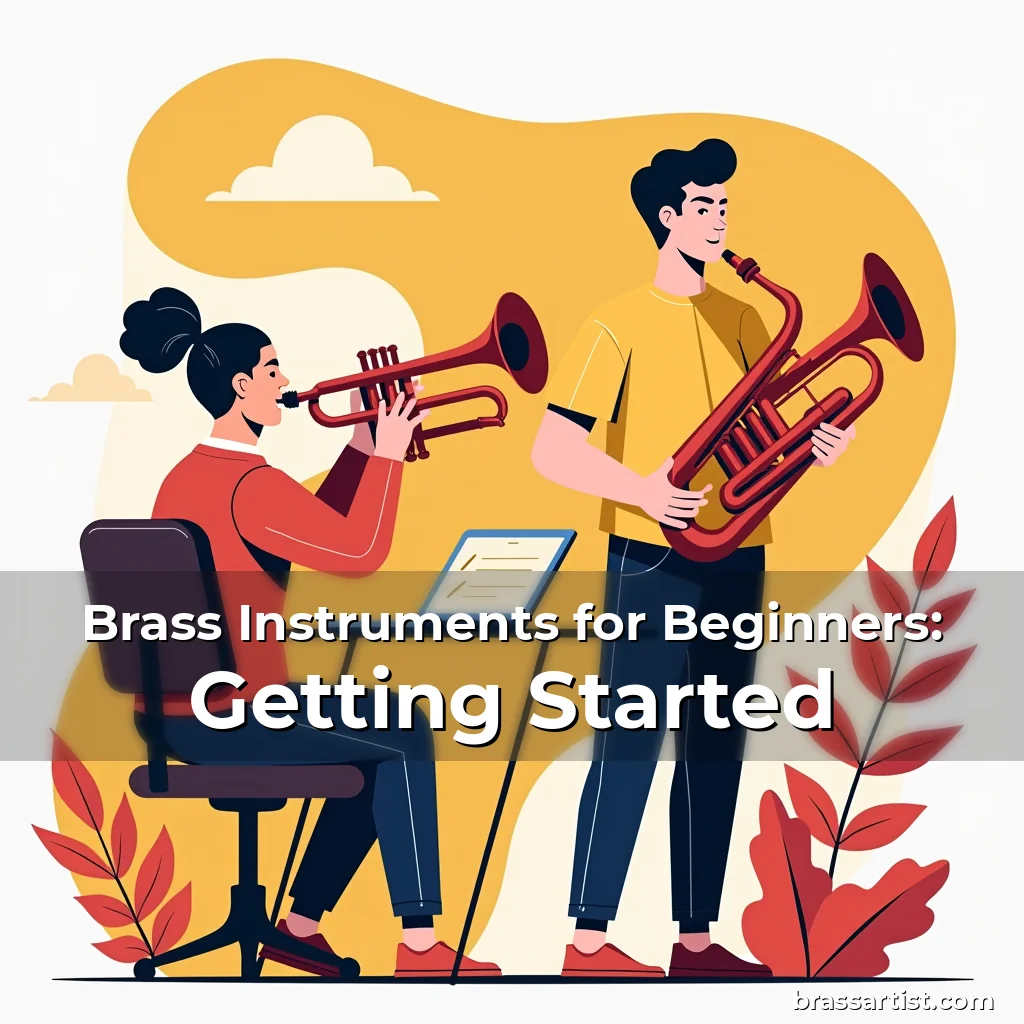
The world of brass instruments offers a rich tapestry of sound, skill, and creativity that has captivated musicians for centuries. From the bold brilliance of a trumpet solo to the deep resonance of a tuba, these instruments hold a unique place in both classical and contemporary music. For anyone stepping into this vibrant realm, the journey begins with curiosity, dedication, and a willingness to embrace the challenges and rewards of mastering an instrument shaped by metal, air, and human artistry.
This guide is designed for those at the threshold of exploring brass instruments—from curious students to passionate creatives seeking new tools for expression. Whether your goal is to join a school band, perform in a jazz ensemble, or simply discover the joy of making music, this article provides foundational knowledge, practical tips, and inspiring perspectives to fuel your progress. Let’s embark on a journey that transforms your initial notes into a lifelong passion.
The Science Behind Brass Instrument Design
At their core, brass instruments operate on a principle rooted in physics and acoustics. Unlike woodwinds, which rely on reeds or holes to shape airflow, brass instruments depend entirely on the player’s lips vibrating against a cup-shaped mouthpiece. This vibration
The Importance of Feedback and Mentorship
Receiving constructive feedback accelerates growth. Work with teachers who emphasize both technical refinement and artistic interpretation. Record yourself regularly to identify areas needing improvement and celebrate small victories along the way. Joining online communities or local brass ensembles connects you with fellow enthusiasts sharing similar journeys.
Criticism should always be viewed as a tool, not a judgment. Approach suggestions with openness and apply them thoughtfully. Cultivating resilience enables you to overcome setbacks and emerge stronger in your abilities.
Maintaining Your Brass Instrument
Prolonged use demands proactive maintenance to preserve sound quality and structural integrity. Clean your instrument frequently using appropriate solutions recommended by manufacturers. Swabs and brushes remove moisture buildup that can corrode internal components over time. Always disassemble parts carefully to avoid damaging delicate mechanisms.
Regularly inspect valves for wear and replace springs if necessary. Lubricate moving parts sparingly with approved oils to ensure smooth operation. Store your instrument securely in cases designed to protect against impacts and temperature fluctuations. Taking it to professional technicians annually guarantees optimal performance and extends lifespan.
- Storage Guidelines: Keep your instrument away from direct sunlight and extreme temperatures. Humidifiers may be required in dry climates to prevent cracks or warping in wooden components.
- Emergency Repairs: Carry spare items like felt pads or rubber washers in case of minor leaks. However, avoid attempting complex repairs without expertise to prevent costly damages later.
Embracing Creativity Beyond Technique
While technical proficiency is essential, creativity defines a true artist’s identity. Explore genres outside conventional boundaries—experiment with fusion styles blending jazz, rock, or electronic sounds. Collaborate with non-brass musicians to expand compositional horizons and challenge preconceived notions about what brass instruments can achieve.
Composition and arrangement present exciting avenues for innovation. Writing original pieces allows you to explore harmonic structures, rhythmic patterns, and emotional storytelling uniquely possible through brass timbres. Utilize software tools or collaborate with producers to integrate digital elements into traditional brass frameworks.
Performance Opportunities and Networking
Seek out performance venues ranging from formal concerts to informal jam nights. Competitions, workshops, and festivals create spaces to showcase talents, receive expert evaluations, and connect with industry professionals. Social media platforms serve as powerful tools for building visibility, sharing recordings, and engaging with global audiences.
Building networks opens doors to mentorships, gigs, and educational prospects. Attend conferences, participate in masterclasses, and engage actively within brass-related organizations. These interactions foster camaraderie and inspire continuous learning throughout your musical career.
Honoring Legacy and Innovation in Brass Music
The legacy of legendary brass virtuosos continues to shape modern musicianship. Figures like Louis Armstrong redefined jazz through improvisational genius, while conductors like Herbert von Karajan elevated symphonic brass writing to unparalleled heights. Studying their techniques, philosophies, and contributions deepens appreciation for the genre’s cultural significance.
Contemporary innovators push boundaries through experimental approaches, incorporating technology, multimedia, and cross-disciplinary collaborations. Artists like Chris Botti blend classical rigor with pop sensibilities, proving that brass instruments remain versatile vehicles for artistic expression across eras and cultures.
The Future of Brass Instruments in a Digital Age
Advancements in technology are reshaping the landscape of brass instrumentation. Digital modeling synthesizers now replicate authentic brass timbres, offering portable alternatives for rehearsal and recording. Virtual reality simulations provide immersive environments for practicing technique or visualizing stage setups prior to actual performances.
Sustainability initiatives are gaining traction in manufacturing circles, prompting eco-conscious choices in material sourcing and production methods. Hybrid instruments merging acoustic principles with electric amplification cater to evolving auditory tastes and environmental concerns alike. Staying informed about these developments equips musicians to adapt creatively while honoring tradition.
Conclusion
Mastering brass instruments is a multifaceted endeavor requiring equal measures of discipline, imagination, and connection to the broader musical ecosystem. By understanding the science behind their construction, exploring their vast diversity, honing fundamental techniques, and embracing ongoing learning, you lay a solid groundwork for success. Every challenge faced becomes a stepping stone toward greater mastery.
Now is the moment to take action. Choose your instrument wisely, immerse yourself in practice routines, seek mentors, and dare to experiment. Whether you aim for professional acclaim or personal fulfillment, the world of brass instruments awaits your unique voice. Let the metal sing—and let your story echo through its resonant chambers forevermore.

news is a contributor at BrassArtist. We are committed to providing well-researched, accurate, and valuable content to our readers.