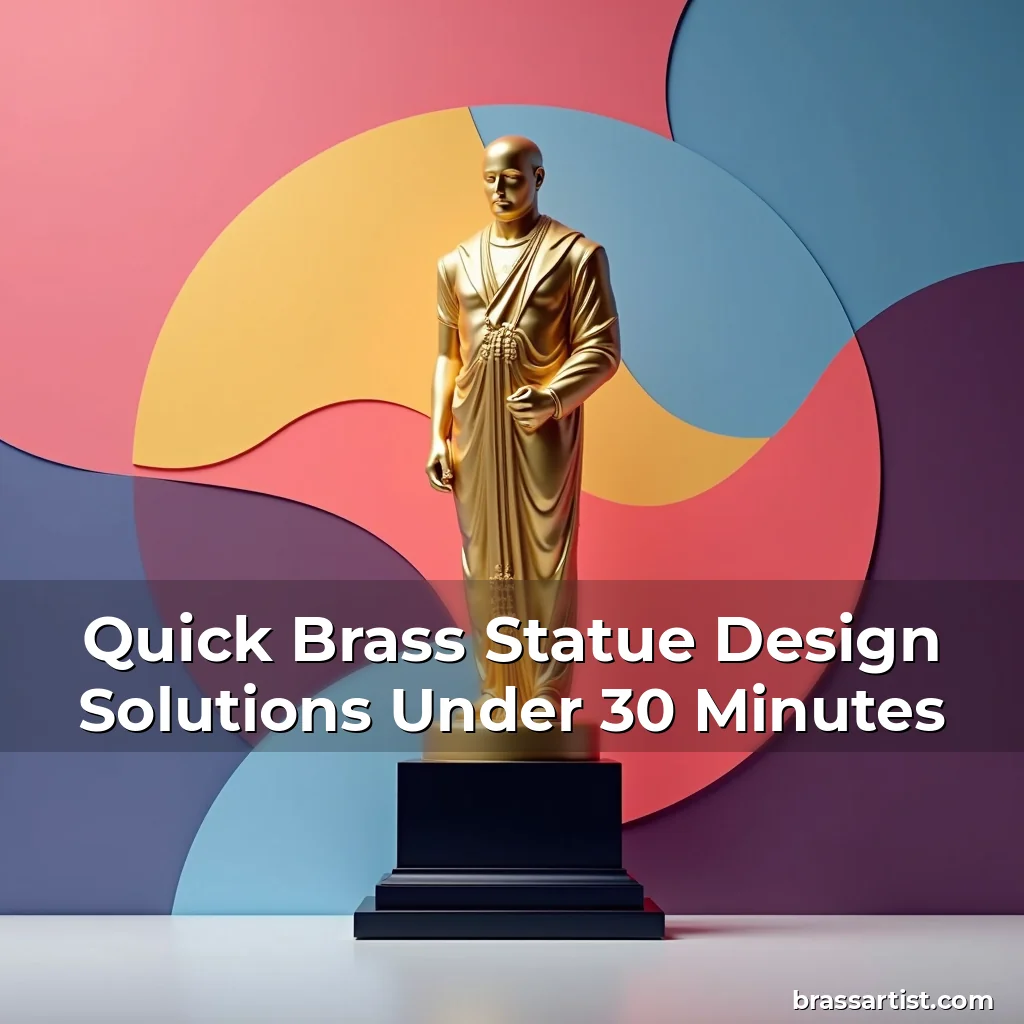
Quick Brass Statue Design Solutions Under 30 Minutes
In today’s fast-paced artistic world, creating intricate brass statues demands both creativity and efficiency. Artists who understand the nuances of brass as a medium can unlock new dimensions of expression while maintaining productivity.
This guide provides practical strategies that enable you to complete compelling designs within limited timeframes without compromising quality or originality.
The Science Behind Brass Material Selection
Understanding brass composition is crucial when designing statues destined for outdoor environments. This alloy typically consists of copper and zinc in varying proportions, which affects its durability and appearance over time.
Copper content determines how well the metal resists corrosion from moisture exposure. A higher percentage usually results in greater resistance but may also influence color development through oxidation processes.
Zinc levels impact malleability during casting stages. Higher zinc concentrations make shaping easier initially but might compromise long-term structural integrity under extreme conditions.
Selecting between different types like yellow brass (with high copper) versus red brass (higher zinc) requires considering environmental factors alongside aesthetic goals.
- Yellow brass: Ideal for coastal regions where saltwater exposure is common due to enhanced corrosion resistance
- Red brass: Offers richer tonal qualities suitable for interior displays with controlled climate conditions
Proper surface treatments such as electroplating or lacquer coatings further extend lifespan by protecting against atmospheric pollutants and UV radiation damage.
Design Concept Development Techniques
Rapid prototyping methods have revolutionized how artists conceptualize their work before committing resources. Digital modeling software allows experimentation with forms that would otherwise require extensive physical trial-and-error.
Utilizing 3D printing technology enables creation of preliminary models at low cost, helping identify potential issues related to weight distribution or visual balance early in the process.
Sketching remains an essential first step despite technological advancements. Freehand drawings capture spontaneous ideas that digital tools sometimes fail to translate effectively.
Mixing traditional sketching techniques with modern software creates hybrid approaches beneficial for complex projects requiring precise measurements yet retaining organic feel.
Brainstorming sessions involving fellow creatives often yield unexpected inspirations that elevate final outcomes beyond individual capabilities alone.
Structural Integrity Considerations
Ensuring stability in any sculpture begins with understanding load-bearing requirements based on size and intended placement location. Outdoor installations necessitate additional reinforcement compared to indoor pieces.
Balancing weight distribution across base structures prevents toppling risks especially when featuring extended limbs or dynamic poses typical in many classical styles.
Internal bracing systems made from stronger alloys provide necessary support without detracting significantly from overall aesthetics unless deliberately incorporated as part of the design language itself.
Using CAD simulations helps predict stress points under various weather scenarios ensuring longevity even after years of continuous exposure outdoors.
Surface Treatment Options
Varying finishes create distinct visual effects ranging from polished mirror-like surfaces to aged patinas mimicking centuries-old artifacts. Each option carries unique maintenance considerations impacting long-term upkeep needs.
Powder coating offers durable protection against scratches and wear making it popular choice among contemporary designers aiming for clean minimalistic looks.
Enameled surfaces add vibrant colors while still providing some level of elemental resistance although less so than metallic platings.
Gilding techniques introduce gold leaf elements enhancing perceived value though requiring periodic restoration efforts particularly noticeable in humid climates.
Choosing appropriate finish depends heavily upon desired interaction between artwork and surrounding environment including ambient light sources present nearby.
Tool Selection for Efficient Fabrication
Investing in high-quality hand tools tailored specifically for working with soft metals ensures smoother workflow minimizing frustration caused by subpar equipment performance.
Specially designed chisels and hammers reduce fatigue allowing artisans maintain consistent pressure throughout lengthy carving periods improving precision output noticeably.
Digital calipers aid accurate dimension control vital for achieving symmetrical features essential in most figurative representations attempted quickly within tight schedules.
Portable power tools offer versatility enabling completion tasks traditionally taking days now accomplished efficiently within hours reducing project timelines substantially.
Regular maintenance routines prolong tool life preventing sudden failures mid-project disrupting progress unexpectedly.
Time Management Strategies
Implementing structured workflows divides monumental tasks into manageable segments increasing likelihood successful execution within specified timeframe limits.
Setting clear milestones assists tracking advancement identifying areas needing extra attention promptly rather than discovering shortcomings only near deadlines.
Prioritization frameworks help determine which aspects demand immediate action versus those capable delay until later phases without jeopardizing overall vision realization.
Leveraging batch processing techniques groups similar operations together maximizing efficiency gains achievable through repetition rather than isolated singular activities spread apart chronologically.
Minimizing distractions fosters deep concentration required completing complex works swiftly without sacrificing quality standards expected industry benchmarks.
Case Studies In Rapid Brass Sculpture Creation
An artist commissioned to produce five custom busts within three weeks employed modular assembly approach using pre-cast components combined selectively post-fabrication stage saving considerable labor effort.
By dividing each figure into head/neck torso sections manufactured separately then assembled finally added finishing touches achieved remarkable speed improvements without visible seams affecting final presentation negatively.
A public art initiative demanded installation ready sculptures transportable easily required developing lightweight hollow cores filled appropriately densified materials preserving form strength despite reduced mass.
These real-world examples demonstrate how strategic planning coupled innovative methodologies allow creation impressive artworks compressed windows forcing adaptation flexible solutions meeting demanding circumstances successfully.
Such case studies highlight importance adaptability mindset crucial navigating unpredictable challenges inherent accelerated production cycles.
Future Trends And Innovations In Brass Statuary
Ongoing research explores integration smart technologies embedded within sculptural forms offering interactive experiences previously unimaginable conventional static pieces could ever provide.
Nanotechnology applications promise self-repairing surfaces capable healing minor damages automatically extending service lives dramatically decreasing maintenance burdens considerably.
Advancements material science foresee emergence bio-compatible alloys reacting environmentally friendly ways promoting sustainability goals aligning perfectly eco-conscious initiatives gaining momentum globally.
Virtual reality platforms facilitate immersive design reviews letting creators visualize spatial relationships accurately prior actual construction commences cutting waste generation significantly.
Collaborations cross-disciplinary fields ensure continual evolution field keeping pace rapidly changing technological landscape ensuring relevance future generations appreciate equally present ones do currently.
Conclusion
Brass statue design presents unique opportunities combining technical skill artistic flair producing enduring masterpieces appreciated wide audiences regardless backgrounds.
By adopting efficient practices leveraging available resources creatively approaching problem-solving possibilities endless generating stunning works admired respected worldwide community dedicated excellence craftsmanship.

news is a contributor at BrassArtist. We are committed to providing well-researched, accurate, and valuable content to our readers.