Brass Ensemble Performances Step-by-Step Tutorial
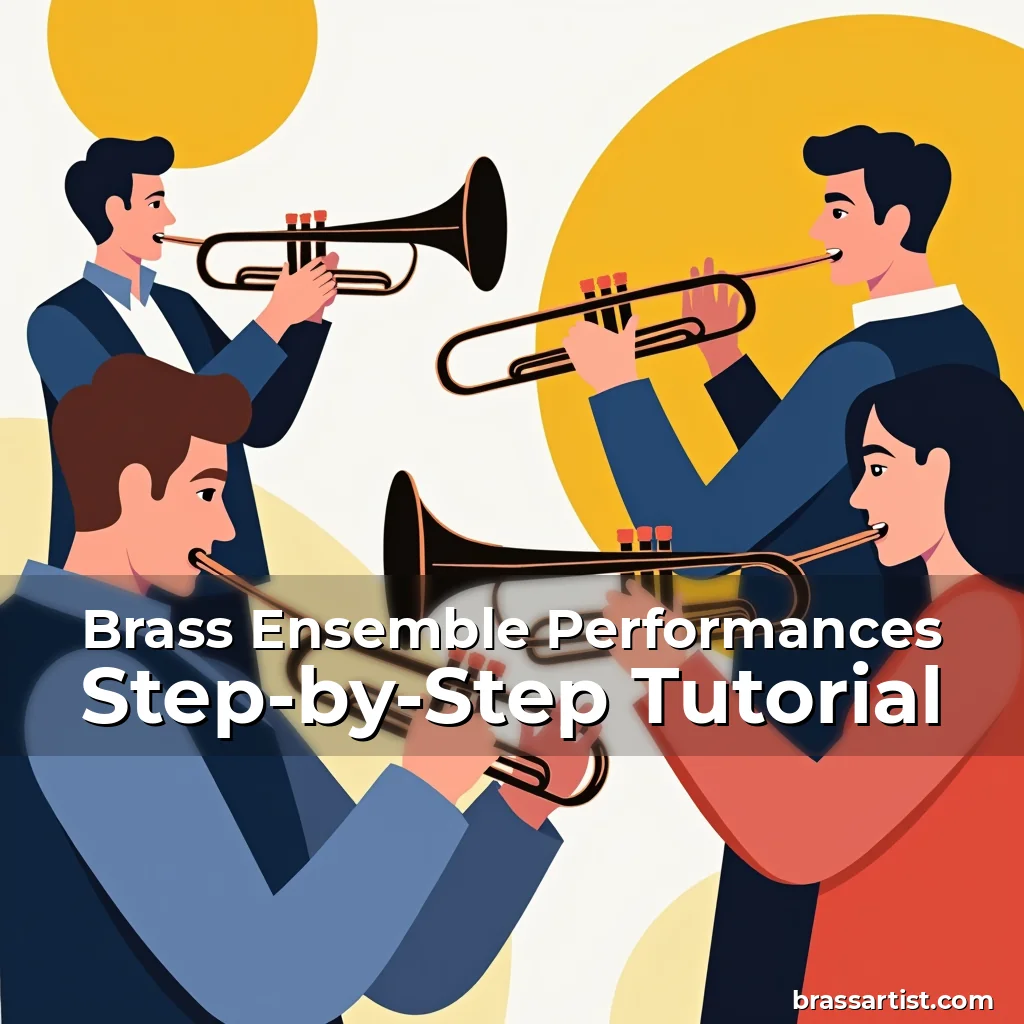
The Artistry Behind Brass Ensemble Performances: A Comprehensive Exploration
Brass ensemble performances represent a dynamic intersection of technical mastery and artistic expression, capturing audiences with their vibrant soundscapes and intricate harmonies. These ensembles are not merely collections of individual musicians but cohesive units that require meticulous coordination and deep understanding of musical phrasing and dynamics.
Ranging from small quartets to expansive symphonic groups, brass ensembles showcase an incredible diversity in repertoire and performance style. Whether interpreting classical compositions or contemporary arrangements, these ensembles demonstrate remarkable versatility in delivering emotionally resonant music experiences.
Fundamental Elements of Brass Ensemble Performance
The success of any brass ensemble hinges upon several foundational elements that shape both the sonic quality and interpretative depth of their performances. From instrument selection to rehearsal techniques, each aspect contributes to the overall artistry of the group.
Tonally, brass instruments possess unique characteristics that influence how ensembles approach different genres. French horns offer warmth and resonance ideal for lyrical passages while trumpets provide piercing brilliance suitable for rhythmic figures and fanfares. Trombones bring rich mid-range tones essential for harmonic stability, and tubas anchor ensembles with powerful bass lines.
- Instrument Selection: Choosing appropriate instrumentation based on musical requirements ensures optimal tonal balance across registers.
- Ventilation Practices: Proper breathing techniques enhance endurance during long passages while maintaining consistent tone production.
- Rehearsal Techniques: Structured rehearsals focusing on sectional work and full ensemble blending cultivate cohesion among players.
A critical element often overlooked is the importance of acoustics within performance spaces. The physical environment significantly impacts how sounds resonate and interact, making venue assessment a crucial pre-performance consideration for ensemble directors.
Developing strong communication between section leaders and principal players fosters effective decision-making processes regarding interpretation choices and technical execution standards across the entire ensemble.
Historical Evolution of Brass Ensembles
Tracing back through centuries of musical development reveals fascinating transformations in how brass ensembles have evolved as distinct performing entities. Their origins can be found in military bands dating back to ancient civilizations where heraldic calls signaled troop movements and ceremonial events.
During the Renaissance period (1400-1600), early forms of brass playing began incorporating more complex melodic structures alongside functional signals. This shift marked significant progress toward the expressive capabilities seen in modern ensembles today.
The Baroque era (1600-1750) witnessed increased use of counterpoint in brass writing, leading to more sophisticated compositional approaches. Composers like Johann Sebastian Bach utilized trumpet parts extensively in his cantatas, demonstrating the growing role of brass instruments beyond mere accompaniment roles.
In the Classical period (1750-1825), composers such as Joseph Haydn and Wolfgang Amadeus Mozart expanded brass roles further by integrating them more fully into orchestral scores rather than keeping them separate from string sections.
The Romantic era saw dramatic changes as technological advancements improved valve systems on brass instruments. This allowed greater flexibility in pitch bending and chromaticism which opened up new possibilities for virtuosic display in solo and ensemble settings alike.
Twentieth-century developments introduced entirely new dimensions through jazz influences and avant-garde experimentation. Modern brass ensembles now draw inspiration from diverse sources including electronic music, world traditions, and even hip-hop rhythms.
Repertoire Development for Contemporary Brass Ensembles
Selecting repertoire requires careful consideration of several factors including skill level compatibility, historical context relevance, and potential audience engagement strategies. Directors must balance educational value with entertainment aspects when curating programs.
Traditional works form an essential component of most repertoires due to their established pedagogical benefits. However, contemporary compositions also play vital roles in keeping the genre fresh and attracting younger audiences who might otherwise find traditional formats less appealing.
Classical Works: Arrangements of Beethoven’s symphonies, Wagnerian overtures, and Tchaikovsky ballet suites remain popular staples for their structural complexity and emotional range.
Jazz-Influenced Repertoire: Pieces by Duke Ellington, Count Basie, and modern composers like Terence Blanchard allow ensembles to explore improvisational textures and syncopated rhythms characteristic of jazz styles.
New Music: Commissioned works by living composers challenge performers with innovative sonorities and unconventional instrumentation combinations. These pieces often incorporate extended techniques requiring specialized training and equipment.
Collaborations with guest conductors or visiting soloists can introduce additional program variety through unique interpretations or cross-genre fusions. Such partnerships benefit both performers seeking artistic growth opportunities and audiences craving novel listening experiences.
Techniques for Enhancing Sectional Harmony
Cultivating seamless unity within sections demands attention to fundamental technical principles that govern successful ensemble interaction. These include precise intonation matching, dynamic control synchronization, and unified articulation across all players.
Become familiar with your instrument’s natural tendencies regarding tuning pitches relative to concert A=440 standard. Regularly check and adjust mouthpiece fit and embouchure formation since these directly affect intonation accuracy at various register levels.
To achieve uniform breath support, establish common respiratory patterns emphasizing sustained airflow rather than forced exhalation methods. Controlled diaphragmatic engagement facilitates better response time when executing rapid note transitions or sudden volume shifts.
Use metronomes consistently during practice sessions to build internal pulse awareness necessary for tight ensemble timing. This helps maintain rhythmic integrity especially when navigating complex meters encountered in many contemporary compositions.
Implement call-and-response exercises designed specifically for your section type. For example, horn players could engage in interval recognition drills focused on perfect fifths and octaves whereas trombonists might concentrate on root-position triads spanning three octave ranges.
Incorporate regular warm-ups targeting ensemble-specific challenges such as low-register legato playing or high-pitched staccatos. Address particular difficulties identified during initial readings of new material through targeted technical exercises developed collectively by the section members.
Dynamic Range Management in Brass Ensembles
Mastery over dynamic variation lies at the heart of compelling brass ensemble performances. This encompasses everything from whisper-like pianissimos to thunderous fortissimos executed without compromising tonal clarity or articulatory precision.
Begin by establishing clear definitions for each dynamic marking used in your score. Ensure all players understand what constitutes a’sforzando’ versus simply playing louder than normal textural layers. Consistency here prevents confusion during live performances.
Practice crescendos and decrescendos gradually through incremental steps rather than abrupt jumps. Maintain a smooth linear progression throughout these passages unless indicated otherwise by special markings like hairpin accents or fermata directions.
Balance contrast carefully – extreme contrasts may appear exciting initially but can become jarring if mismanaged. Aim instead for nuanced gradations that reflect the composer’s intentions accurately.
Create standardized hand gestures or visual cues recognized by everyone involved in order to communicate subtle intensity adjustments nonverbally during rehearsals and concerts alike.
Spend time exploring alternative voicing options whenever possible; changing tessitura distributions sometimes allows for more efficient dynamic management across varying instrumental configurations.
Conducting Strategies for Effective Brass Ensemble Leadership
EFFECTIVE CONDUCTING IS CRUCIAL TO UNIFY THE VISION OF ANY BRASS ENSEMBLE PERFORMANCE. This involves not only directing tempo and dynamics but also shaping the emotional narrative conveyed through the music itself.
Begin by thoroughly analyzing the score to identify key thematic motifs, harmonic progressions, and stylistic nuances inherent in the composition. Understanding these components enables you to craft meaningful interpretations that resonate with both performers and listeners.
Your body language plays a pivotal role in conveying musical direction. From baton technique to facial expressions, every movement communicates specific instructions to the ensemble. Develop consistency in your conducting pattern across similar rhythmic groupings to avoid unnecessary confusion.
Prioritize clear cueing before important entrances, particularly in fast-paced or rhythmically challenging sections. Using discreet eye contact or slight head nods provides subtle guidance without overshadowing other members’ concentration efforts.
Incorporate regular feedback mechanisms during rehearsals to address any issues promptly while fostering a supportive learning environment conducive to improvement over time. Encourage open dialogue among section principals regarding interpretation preferences whenever applicable.
Adapt your leadership style flexibly depending on the nature of each piece being performed. Some works demand more rigid control structures whereas others thrive under looser frameworks allowing for spontaneous creativity within defined parameters.
Preparation and Logistics for Live Brass Ensemble Performances
Planning ahead meticulously guarantees smooth execution of live brass ensemble performances. Attention to logistical details ranging from transportation arrangements to stage setup procedures minimizes last-minute complications that could disrupt preparedness levels.
Coordinate with event organizers well in advance to confirm logistical necessities such as loading dock access times, backstage storage facilities availability, and load-in/load-out schedules aligned with broader stage sharing commitments.
Prepare emergency backup plans covering potential scenarios like missing sheet music copies, instrument malfunctions, or unexpected weather-related disruptions affecting outdoor venues. Having contingency solutions readily available mitigates risks associated with unforeseen circumstances.
Ensure adequate hydration supplies accompany your ensemble wherever travel is required. Dehydration poses serious threats to musical performance quality and player health, particularly when facing extended tour durations involving multiple consecutive shows.
Establish clear protocol guidelines outlining responsibilities assigned to crew members responsible for tuning instruments, managing amplification systems, and handling costume-related needs if applicable attire specifications exist for certain performances.
Consider implementing digital recording technologies strategically during preparation phases. Capturing live performances digitally offers invaluable post-rehearsal review opportunities while also serving as promotional materials useful for future recruitment initiatives or grant applications.
Engaging Audiences Through Creative Programming
Creating memorable concert experiences relies heavily on thoughtful programming decisions aimed at captivating diverse demographic segments attending each performance. By thoughtfully selecting repertoire mixtures along with complementary ancillary activities, organizations can foster deeper connections between audiences and musical offerings.
Integrate multimedia enhancements such as projected visuals synchronized with musical themes or ambient lighting effects mirroring mood fluctuations within the score structure. These additions create immersive environments enhancing overall audience absorption rates.
Offer interactive workshops or masterclasses led by ensemble members providing insight into craftsmanship behind selected pieces played onstage earlier that day. Engage participants through hands-on demonstrations illustrating basic techniques employed within featured selections.
Utilize social media platforms strategically prior to and following events to generate buzz around upcoming showcases while simultaneously sharing behind-the-scenes footage highlighting preparation phases undertaken by artists preparing those presentations.
Design tiered ticket packages offering varied levels of engagement options—from general admission seating at lower price points through VIP upgrades granting exclusive meet-and-greet privileges post-show—thereby accommodating individuals with differing financial capacities yet still ensuring broad accessibility goals remain achievable.
The Role of Technology in Modern Brass Ensemble Practice
The integration of advanced technology has revolutionized how brass ensembles approach both individual and collective practice methodologies. Digital tools now enable more precise monitoring of technical aspects while also expanding creative exploration avenues previously unattainable through conventional means alone.
Digital Sheet Music Platforms: Programs like Finale or Sibelius facilitate easy editing of scores, adding custom annotations, and creating backup files accessible remotely via cloud services. This ensures continued practice continuity even when away from primary rehearsal locations.
Metronome & Tempo Training Apps: Mobile applications featuring adjustable speed controls assist in refining rhythmic accuracy across various tempi. Some apps also track progress metrics helping visualize improvements achieved over time intervals.
Recording Equipment: High-quality portable recorders capture ensemble output enabling playback reviews identifying areas needing refinement. Comparisons against studio recordings serve as benchmarks guiding development trajectories towards desired performance standards.
Virtual Rehearsal Tools: Video conferencing software combined with screen-sharing capabilities supports remote collaboration possibilities beneficial during pandemic restrictions or international touring scenarios requiring real-time coordination despite geographical separation barriers.
Analytical Software: Advanced audio analysis programs quantify pitch stability measurements, dynamic response curves, and harmonic spectrum data facilitating objective assessments supporting subjective judgments made traditionally by experienced adjudicators or mentors.
Cultivating Long-Term Success in Brass Ensemble Communities
Sustaining vibrancy within brass ensemble communities necessitates ongoing investment in infrastructure building capable of nurturing emerging talents while also preserving institutional knowledge transfer pathways connecting generations of practitioners effectively.
Invest in robust mentorship programs pairing seasoned professionals with apprentices eager to learn craft fundamentals through observational study coupled with guided practical application under expert supervision frameworks.
Host periodic juried competitions or festivals celebrating outstanding achievement milestones attained by students or amateur enthusiasts striving to elevate skills progressively toward higher proficiency tiers recognized nationally or internationally through accreditation bodies.
Encourage scholarly research endeavors examining psychological impacts resulting from prolonged exposure to structured ensemble discipline practices. Insights derived therefrom inform refined teaching philosophies improving effectiveness measured by participant satisfaction indices tracking longitudinal developmental gains realized post-program completions.
Develop strategic alliances with related arts disciplines—such as dance troupes, theater companies, or visual artist collectives—to create interdisciplinary projects promoting collaborative innovation across boundaries traditionally perceived as insular silo domains restricted solely to instrument-specific pursuits.
Leverage funding sources designated explicitly for community enrichment objectives securing sustainable operations models enabling expansion initiatives addressing underserved regions lacking adequate resources devoted toward cultivating local brass interest networks absent substantial economic backing typically found elsewhere globally within comparable cultural ecosystems.
Conclusion
This comprehensive exploration has illuminated the multifaceted realm encompassing brass ensemble performances from foundational elements right through to cutting-edge innovations currently reshaping the landscape of artistic presentation modalities adopted increasingly by contemporary practitioners.
By embracing both tradition-based values rooted deeply within historic lineage while simultaneously remaining receptive to forward-thinking experimental impulses, today’s brass musicians stand poised to continue advancing their respective crafts meaningfully impacting wider society culturally via impactful contributions made publicly through shared musical experiences facilitated collaboratively amongst dedicated ensemble members working synergistically toward common artistic visions.