Brass Ensemble Performances for Small Spaces
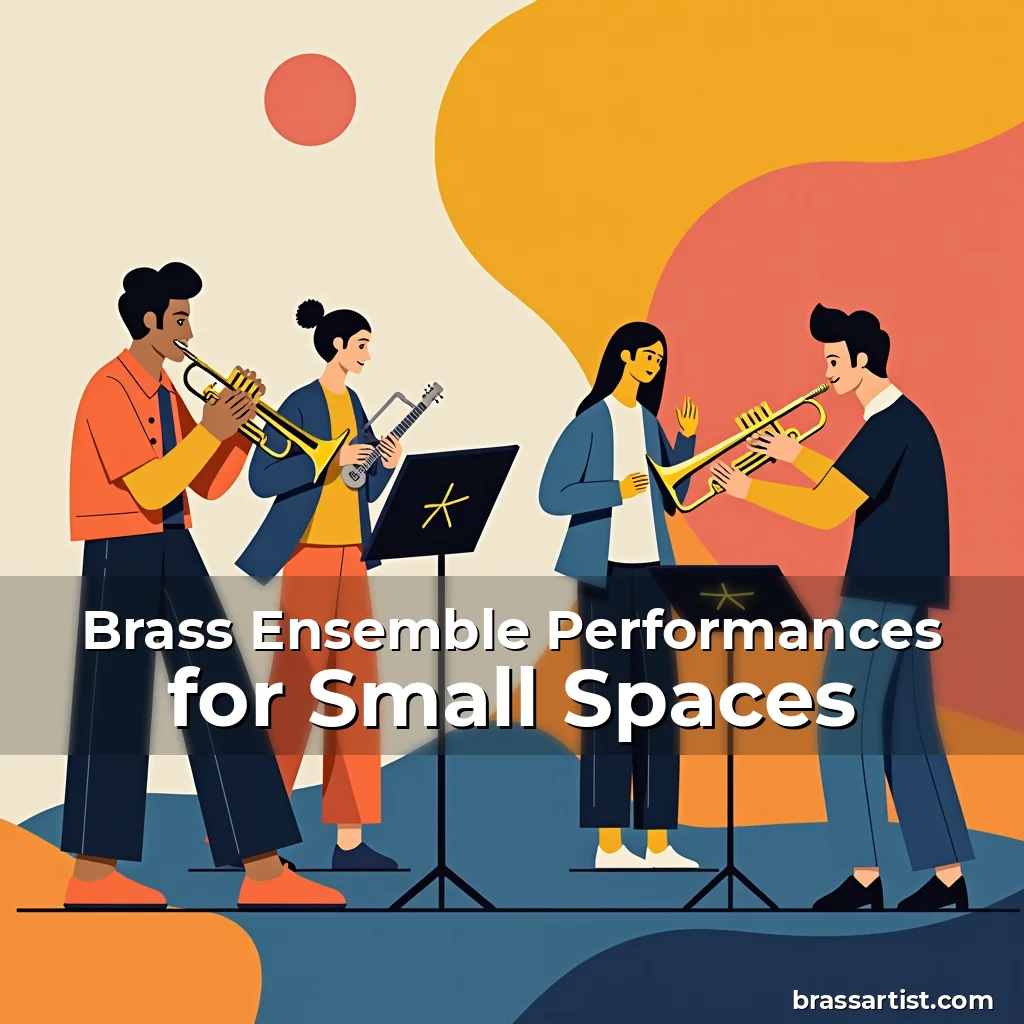
Brass Ensemble Performances for Small Spaces
Brass ensembles bring vibrant energy and rich harmonies that can transform any venue. However, performing in small spaces presents unique challenges and opportunities for creative expression.
The intimacy of compact venues allows performers to connect deeply with audiences while requiring careful attention to acoustics and spatial dynamics.
The Artistry Behind Brass Ensembles
A brass ensemble is composed of musicians playing instruments made from brass alloys. These include trumpets, French horns, trombones, tubas, and euphoniums.
The versatility of brass instruments enables them to produce a wide range of tonal qualities, from bright and penetrating to mellow and warm.
Skillful players use techniques such as lip slurs, flutter tonguing, and alternate fingerings to expand their expressive palette.
- Vibrato: Adds emotional depth by modulating pitch slightly through rapid oscillations of the embouchure.
- Dynamics: Mastery over volume control creates dramatic contrasts within musical passages.
Crafting Unique Repertoires
Selecting appropriate repertoire is crucial when preparing for a performance in limited space settings. This involves balancing traditional works with contemporary compositions.
Modern composers often write specifically for smaller groups, creating intricate textures that highlight individual instrument voices.
Curating Diverse Programs
Bands may consider including jazz arrangements alongside classical pieces to create dynamic programming experiences. For instance, Gershwin’s “An American in Paris” offers both technical challenges and stylistic variety.
Mixing genres not only engages varied audience demographics but also showcases the adaptability of brass instruments across different styles.
Acoustic Considerations in Compact Venues
In small performance spaces, sound management becomes critical for maintaining clarity without overwhelming listeners. The physical dimensions affect how sound waves reflect off surfaces.
- Stage design: Elevated platforms allow better distribution of sound towards the audience area.
- Instrument placement: Spacing between players prevents excessive coupling of frequencies which could muddy the mix.
Enhancing Audience Engagement
Engaging audiences during a performance requires intentional choices regarding program structure and presentation style. Intermission breaks should be timed carefully based on piece lengths.
- Pre-concert talks: Educate attendees about the history behind selected pieces before the actual performance begins.
- Post-show discussions: Allow time for questions and feedback after completing each set list.
Technical Equipment Needs
Proper equipment selection ensures optimal performance quality regardless of location size. High-fidelity amplification systems enhance natural tone characteristics.
- Monitor speakers: Provide clear audio cues for performers allowing accurate timing coordination.
- Wireless transmitters: Enable mobility without compromising signal quality during movement-intensive numbers.
Fostering Musical Growth Through Collaboration
Regular collaboration among ensemble members nurtures artistic development and strengthens group cohesion. Scheduled rehearsals with focused objectives drive improvement.
- Peer reviews: Constructive criticism sessions encourage open dialogue about strengths and weaknesses observed during practice sessions.
- Improvisation drills: Develop spontaneity skills essential for adapting to unexpected situations during live shows.
Promoting Visibility Beyond Traditional Platforms
Leveraging digital media expands outreach possibilities beyond conventional concert halls. Social media campaigns create anticipation around upcoming events.
- Behind-the-scenes content: Highlight preparation processes showing dedication behind every note played onstage.
- Live Q&A sessions: Foster direct interaction between performers and fans answering queries related to music theory or career paths.
Building Lasting Community Connections
Creating meaningful relationships with local communities enhances visibility and fosters long-term support networks. Partnering with schools facilitates educational initiatives benefiting aspiring musicians.
- Youth orchestras: Collaborate with young bands offering masterclass clinics focusing on breath control and articulation techniques.
- Senior citizen programs: Organize special recitals designed specifically for older adults enjoying nostalgic tunes from past eras.
Evolving Trends In Contemporary Brass Performance
New technologies continue reshaping how brass ensembles approach composition and execution methods today. Electronic enhancements now complement rather than replace organic sounds.
Virtual collaborations between geographically dispersed musicians become feasible thanks to advances in real-time audio streaming solutions.
- Augmented reality interfaces: Interactive displays guide conductors through complex score interpretations visually.
- AI-assisted composing tools: Help generate preliminary drafts which human creators then refine artistically.
Conclusion
Successfully navigating small-space brass ensemble performances demands thoughtful consideration across many interconnected aspects—from selecting repertoires to managing acoustics effectively.