Brass Instruments for Beginners: Getting Started
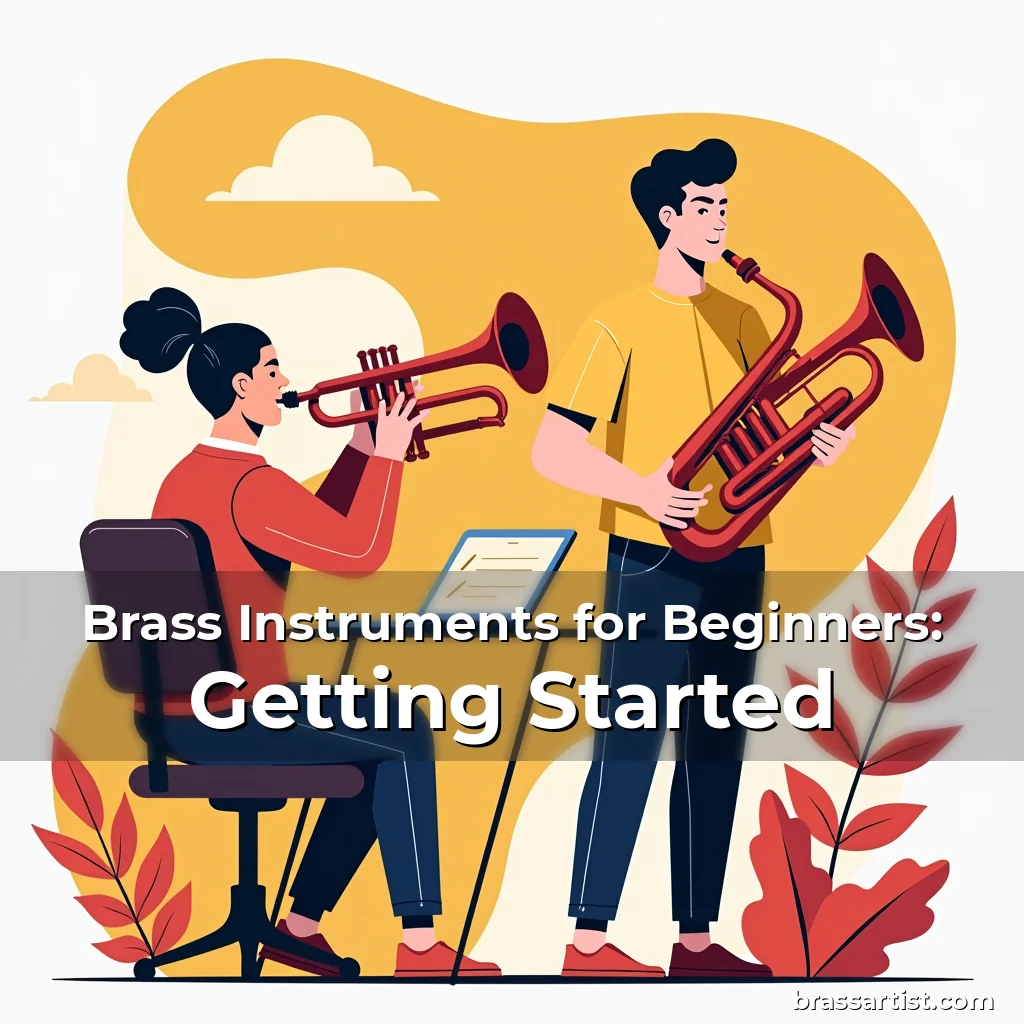
The Artistry of Brass Instruments: A Deep Dive for Aspiring Musicians
Intricate melodies rise through air, resonating across concert halls and practice rooms alike — this is the world of brass instruments, a family of wind instruments distinguished by their rich tones and dynamic expressions. From the piercing clarity of the trumpet to the deep vibrato of the tuba, brass instruments occupy a unique space at the heart of orchestral music, jazz ensembles, and solo performances.
This guide explores everything aspiring musicians need to know about brass instruments, blending historical context with technical insight. Whether you’re considering picking up your first horn or seeking advanced playing techniques, understanding the fundamentals of these instruments will elevate both your musical journey and appreciation.
A Brief History of Brass Instruments
Bronze age civilizations created early ancestors of modern trumpets, carved from animal horns and used primarily for signaling rather than musical expression. Ancient Greeks and Romans refined these designs, developing natural-horn systems that could produce limited pitch ranges by altering lip tension and breath control.
The Renaissance period marked significant advancements in instrument design when artisans began crafting metal tubing shaped systematically to allow controlled sound production. This innovation laid the foundation for today’s brass instruments, which evolved through centuries of experimentation and refinement.
- Renaissance Influence: Early trumpeters developed specialized breathing techniques to sustain longer notes, paving the way for more complex musical passages
- Baroque Era: Instrument makers introduced valves during this time, allowing players to change pitches smoothly for the first time in brass history
Fundamental Principles Behind Sound Production
All brass instruments operate on basic principles shared among wind instruments: vibrating lips create sound waves inside the hollow tubes, while the player controls tone quality by adjusting embouchure pressure and airflow volume. This unique mechanism differentiates brass instruments from string and percussion families.
To understand how notes are produced, consider the physics involved. When a musician buzzes their lips against the mouthpiece, it causes vibrations that travel through the instrument’s tubing. These vibrations interact with the air column inside the bore to create standing waves — the fundamental frequency determining the pitch played.
Variations in Tube Design
The shape and size of a brass instrument’s tubing significantly influence its tonal characteristics. Instruments with larger bores typically produce fuller, darker sounds due to enhanced resonance capabilities. For instance, the French horn’s circular shape contributes to its distinctive warm timbre compared to straight-tubed trumpets.
This acoustic engineering continues evolving through contemporary design improvements. Modern manufacturers experiment with materials ranging from traditional yellow brass to innovative alloys that enhance durability without sacrificing sonority. Understanding these physical properties helps musicians better interpret performance demands for various genres.
Major Categories Within the Brass Family
The brass family comprises diverse instruments suitable for varied roles within ensembles. Among them stand the trumpet, cornet, flugelhorn, euphonium, trombone, baritone, and tuba – each offering distinct sonic identities ideal for particular musical contexts.
Selecting the right instrument depends heavily on personal goals and preferences. While trumpets shine in bright, melodic lines often heard in fanfares and lead sections, tubas provide powerful bass foundations essential in orchestras and marching bands. Exploring these options through live demonstrations or recordings can help determine what excites individual interest most.
Taking Your First Steps With a Brass Instrument
Purchase decisions involve balancing practical considerations with artistic aspirations. Beginner models usually feature adjustable tuning slides and simplified valve mechanisms suited for new players developing muscle memory and embouchure strength. However, high-quality entry-level instruments offer superior playability despite modest price points.
Choosing a mouthpiece is equally crucial since it greatly affects comfort levels and potential skill development. Softer mouthpieces may seem easier initially but don’t always promote long-term technique improvement; conversely, harder ones challenge beginners more but accelerate progress faster when used correctly.
Maintaining Your Investment
Proper maintenance extends both life expectancy and performance capabilities of brass instruments. Regular cleaning prevents corrosion buildup inside tubing which gradually diminishes response speed and clarifies intonation accuracy over time. Cleaning solutions formulated specifically for brass surfaces avoid damage that harsh chemicals might cause accidentally.
Valve oil applications should occur after every use to maintain smooth operation cycles and prevent mechanical failure risks later on. Lubricating moving parts consistently preserves function longevity even under frequent usage conditions common among serious students progressing rapidly toward professional mastery levels.
Essential Playing Techniques For All Levels
Mastering articulation patterns forms a critical part of expressive playing styles spanning classical compositions to improvisational jazz solos. Clear tonguing exercises improve note separation precision, while slurring techniques develop seamless phrasing abilities essential for singing-like legato passage work characteristic of many composers’ scores.
Breath support remains fundamental regardless of instrument type or musical style. Developing core stability enhances endurance capacity, enabling extended periods of sustained note playing without fatigue-related decline in tone consistency or volume projection capability.
Embouchure Development
Your embouchure refers collectively to facial muscles used during blowing operations affecting tone coloration and pitch modulation effectiveness. Strengthening these muscles through targeted daily routines promotes improved air efficiency leading naturally towards greater musical expressiveness across varying dynamics.
Common mistakes include excessive tightness causing undue strain on oral structures or overly relaxed approaches resulting insufficient pressure generation needed to activate higher register frequencies effectively. Balancing tension appropriately allows access to entire chromatic scale ranges effortlessly while preserving vocal health standards necessary for sustained careers.
Famous Brass Artists Who Shaped Musical Landscapes
Historical figures such as Louis Armstrong revolutionized popular music perception about brass instruments by demonstrating their versatility beyond traditional military band settings. His improvisatory genius showed how these tools could convey emotion powerfully much like strings did historically.
Contemporary virtuosos continue expanding possibilities too. Legends like Maurice André redefined expectations around what constitutes “serious” instrumental performance through stunning display pieces requiring exceptional dexterity alongside musical intelligence simultaneously demonstrated on stage.
- Artists Worth Studying: Research biographies of renowned performers whose recorded works represent benchmarks showcasing technical prowess combined with emotional depth across repertoires
- Growing Community: Engage actively online forums focused solely upon brass communities worldwide connecting hobbyists amateurs and professionals exchanging resources tips experiences globally
Exploring Genres Emphasizing Brass Mastery
Different cultural traditions have cultivated unique approaches utilizing brass instruments uniquely within specific genre frameworks. In Latin American mariachi ensembles, cornets carry primary melodic burdens distinguishing themselves distinctly from orchestral counterparts fulfilling harmonic functions predominantly there.
Jazz musicians exploit flexible intervallic relationships afforded through transposing capabilities inherent in standard brass setup configurations permitting immediate key changes adapting spontaneously to shifting rhythmic complexities encountered in jam sessions frequently.
Cultural Nuances And Adaptations
Various societies have adapted brass instruments according to environmental factors influencing sound propagation effectiveness differently in outdoor versus indoor venues respectively. For example, certain African tribal rituals incorporate specially designed open-ended variants emitting very low-frequency tones imperceptible indoors yet audible distances far outside gathering spaces.
Such innovations highlight intrinsic adaptability possessed by this instrument class satisfying diverse functional requirements spanning religious ceremonies through celebratory parades across continents throughout human civilization duration.
Future Directions In Brass Technology
Ongoing research pursuits aim enhancing current technologies opening unprecedented avenues exploration creativity particularly concerning digital integration aspects. Virtual reality simulations enable students to experience performative environments virtually assisting mental preparation before actual public appearances become realities inevitably facing all practitioners eventually.
Additionally smart sensor devices embedded within traditional hardware configurations provide real-time feedback regarding breath velocity air pressure distribution inconsistencies helping rectify bad habits early stages preventing longterm detrimental consequences likely stemming otherwise neglectful practices.
- Educational Tools: Interactive apps gamifying scales drills transforming mundane repetition sessions enjoyable interactive challenges improving engagement retention rates significantly
- Sustainable Materials: Experimental eco-friendly alternatives replacing toxic rosin products currently relied upon protecting musicians’ respiratory wellness promoting green consciousness awareness within industry sectors generally
Conclusion
From ancient ceremonial signals to contemporary masterpieces, brass instruments remain pivotal components shaping global musicscape continuously expanding boundaries imagination possibility forevermore. Their evolution mirrors technological advancement reflecting humanity’s enduring quest seek beauty through sound universally understood language transcending borders limitations.
If inspired by this overview, consider scheduling lessons exploring local opportunities meeting fellow enthusiasts experimenting hands-on discovering what makes brass playing personally rewarding pursuit enriching lives profoundly impacting those who embrace its artistry fully.