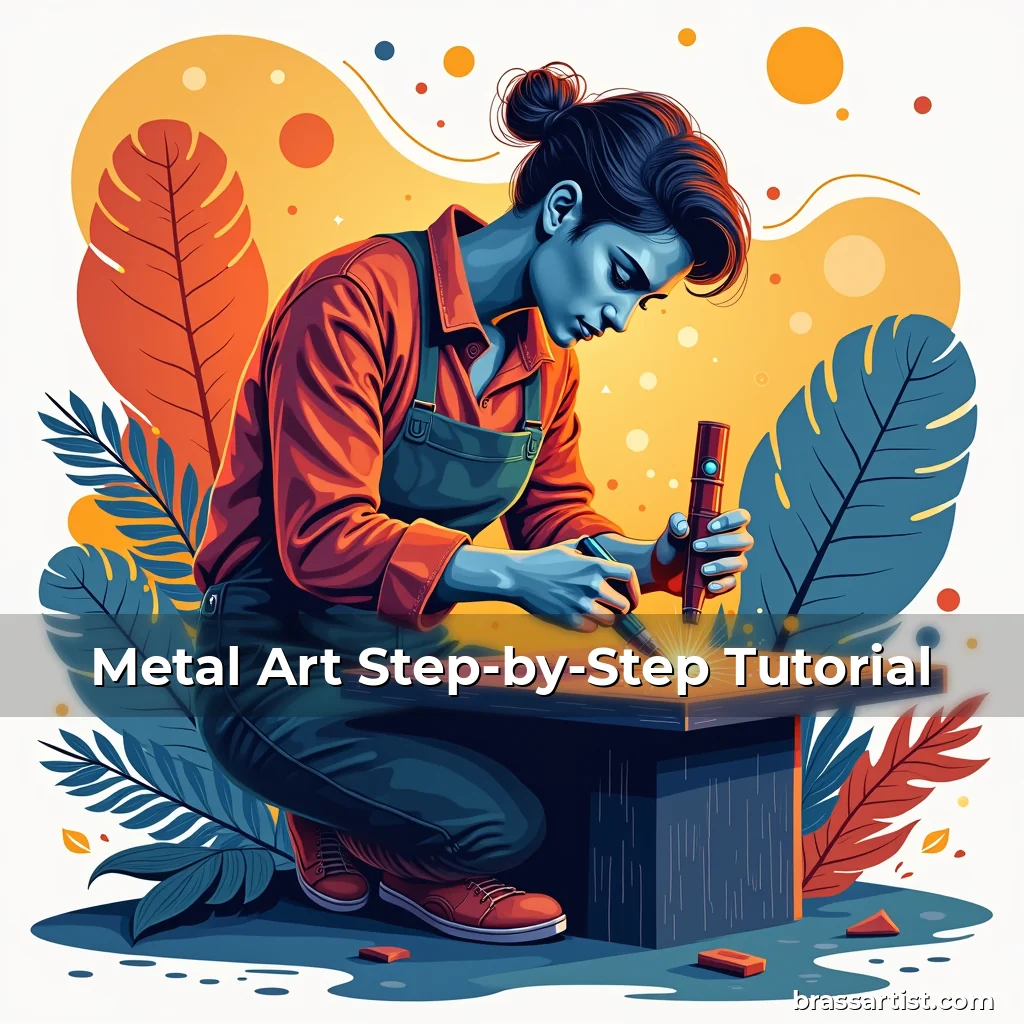
Metal Art Step-by-Step Tutorial
The world of metal art offers boundless opportunities for creativity and expression through the manipulation of raw metallic forms. Whether you’re working with brass, steel, aluminum, or other alloys, understanding the fundamentals of metal shaping can transform abstract visions into tangible masterpieces.
This comprehensive guide explores everything from foundational techniques to advanced finishing processes, providing artists with practical knowledge applicable across sculpture, jewelry design, architectural embellishments, and more. By mastering core principles, creators can unlock new dimensions in their artistic practice.
Fundamental Techniques in Metalworking
Metal art begins with selecting appropriate materials that match both aesthetic goals and structural demands. Brass, known for its warm golden hue and malleability, works well for intricate detailing, while stainless steel provides durability for larger installations. Understanding material properties ensures successful execution of artistic concepts.
Crafting tools play equally critical roles in achieving desired outcomes. Handheld hammers allow precise control during texturing and shaping, whereas power tools accelerate repetitive tasks like cutting and grinding. Investing in quality tooling significantly impacts workflow efficiency and final results.
- Forging: This ancient technique involves heating metal until pliable then hammering it into shape. Artists often use this method for creating organic curves and bold textures.
- Casting: Lost-wax casting remains popular among sculptors due to its ability to capture fine details. Modern variations incorporate silicone molds for faster production cycles.
Essential Tools and Equipment
A well-equipped workshop requires specialized instruments suited to different stages of metalwork. Torch kits for soldering and annealing are indispensable, while bench vises secure workpieces during fabrication. Safety gear including gloves and goggles protects against burns and flying debris.
Dedicated storage systems maintain organization within the workspace. Tool racks, labeled containers for small parts, and magnetic strips for holding blades help streamline operations. Keeping frequently used items accessible reduces downtime between tasks.
Investment Considerations
Newcomers often overlook the importance of investing in durable equipment rather than opting for cheaper alternatives. A mid-range oxy-acetylene torch set typically costs $500-$800 but lasts years compared to lower-quality models requiring frequent replacements. Professional-grade grinders range from $200 to over $1000 depending on motor power.
Purchasing secondhand tools can yield significant savings. Online marketplaces offer gently used CNC machines at fractions of retail prices. However, buyers must inspect equipment thoroughly before purchasing to avoid hidden maintenance issues.
Design Principles for Metal Sculptures
Effective composition relies on balancing visual weight through strategic placement of negative space. Contrasting curved surfaces with angular edges creates dynamic tension. Artists should consider viewer perspective when positioning focal points within three-dimensional pieces.
Texture plays a vital role in conveying emotion and depth. Hammer marks produce tactile interest while patination adds color variation. Combining smooth polished areas with deliberately roughened zones introduces visual complexity.
Advanced Fabrication Methods
Welding enables seamless integration of disparate components, though careful preparation prevents warping. TIG welders provide precision suitable for delicate joints, while MIG units handle thicker stock more efficiently. Post-weld treatments like sandblasting refine surface finishes.
Laser cutting technology revolutionized custom metalwork by enabling intricate patterns previously unattainable manually. Design files created digitally translate directly to physical cuts, allowing rapid prototyping of complex geometries.
CNC Machining Applications
Computer numerical control (CNC) routers open possibilities for geometric precision unmatched by hand tools alone. These machines carve detailed reliefs, engrave text, and fabricate interlocking parts with micron-level accuracy. Industries ranging from architecture to fashion employ them extensively.
While initial setup costs remain high, CNC machining pays dividends through increased productivity. One operator can manage multiple jobs simultaneously, reducing labor expenses associated with manual fabrication techniques.
Surface Treatment and Finishing Processes
Patina application transforms plain metal into vibrant artworks. Chemical solutions react differently with various alloys producing greens, blues, blacks, and reds. Layering multiple treatments yields complex color interactions that evolve over time.
Polishing achieves mirror-like finishes through progressive abrasion levels. Starting with coarse grit pads and advancing to ultra-fine compounds removes imperfections progressively. Final buffing with felt wheels imparts luster while maintaining dimensional integrity.
Artistic Inspiration Sources
Nature remains a perennial muse for metal artists seeking organic forms. Leaf veins inspire lattice structures, crystalline growth patterns influence geometric compositions, and weathering effects suggest aged patinas. Field studies enhance observational skills crucial for translating natural phenomena into metalworks.
Historical influences span millennia, from medieval armor to contemporary minimalist sculptures. Researching cultural motifs provides rich symbolism while avoiding direct plagiarism. Adapting traditional designs through modern reinterpretations keeps heritage relevant today.
Ethical Considerations and Sustainability Practices
Responsible sourcing minimizes environmental impact by prioritizing recycled metals. Many foundries specialize in processing scrap materials, reducing demand for newly mined ores. Certifications verify ethical mining practices supporting fair wages and safe conditions globally.
Energy-efficient furnaces lower carbon footprints during heat-intensive processes. Solar-powered ventilation systems and LED lighting contribute to greener studios. Proper disposal protocols prevent hazardous substances from contaminating ecosystems.
Marketing Your Metal Art Creations
Building an online presence establishes visibility among potential clients. High-resolution images showcasing craftsmanship attract attention, while behind-the-scenes videos demonstrate skill mastery. Social media platforms enable targeted outreach to niche audiences interested in handmade goods.
Participating in local craft fairs connects directly with communities appreciating artisanal products. Collaborations with galleries and interior designers expand reach beyond conventional markets. Maintaining professional portfolios highlights versatility across mediums and styles.
Conclusion
Mastering metal art requires dedication to learning fundamental techniques alongside continuous experimentation. From choosing right materials to applying innovative technologies, each stage contributes uniquely towards realizing creative visions.
By embracing both tradition and innovation, artists position themselves at forefront of evolving metalcraft trends. Regular practice combined with thoughtful exploration of diverse methodologies ensures sustained growth in this rewarding field.

news is a contributor at BrassArtist. We are committed to providing well-researched, accurate, and valuable content to our readers.